
If we pause for a moment and truly listen, the environment sends us a clear message. It isn’t just a series of metrics in a sustainability report; it is the fading sound of receding riverbanks and the changing hue of our forest canopies. The heartbeat of our land is speaking to us, and it is growing louder by the day.
Often, when we discuss the environmental crisis, we look toward the sky, waiting for rain. But the harsh reality is that the crisis is also at our feet. We have overlooked a critical truth: the primary threat to our rivers and ecosystems is not climate, it is the stagnation of waste and the lack of integrated solid waste management. We are suffocating the very veins of our territory with what we discard, forgetting that a sick forest or a polluted river is, ultimately, a productive system that grinds to a halt.
As we observe the International Days of Forests and Water, I want to move beyond the usual corporate rhetoric. It is time to analyze where we stand globally and how we, at AgroAmerica, are answering that heartbeat with regenerative action.
Global Reality: A Call for Resilience
The global landscape demands an urgent shift in perspective. According to the FAO’s State of the World’s Forests, while net deforestation rates have slowed, the pressure on the ecosystems that filter our water remains critical. Forests house 80% of terrestrial biodiversity; they are the “kidneys” of our watersheds.
Furthermore, the World Meteorological Organization (WMO) warns that 70% of all deaths related to natural disasters over the past 50 years have been caused by water-related hazards. This is no longer just an ecological debate; it is a matter of human security and economic viability. Leading institutions like UNESCO and UN-Water agree that investing in “green infrastructure” —using natural processes to manage water— is the only viable path forward.
From Vision to Execution: The AgroAmerica Commitment
At AgroAmerica, our “Regenerating the Earth” strategy is designed to turn these global challenges into local solutions.
I. Restoring the Landscape’s Breath
Nature is resilient, but it needs a fighting chance. We are focused on restoring the landscape’s ability to self-regulate:
- Strategic Reforestation: We operate a forest nursery where, in the past year alone, we produced more than 30,000 plants, using native species like Mahogany and Cedar, prioritizing the watersheds where we operate.
- Mangrove Restoration: At the Manchón Guamuchal Ramsar site, we have already restored 234 hectares. This involves not just planting, but active hydrological rehabilitation to let the ecosystem breathe again.
- Internal Conservation: We actively protect 977 hectares of virgin forest within our own farms, serving as vital biological corridors and thermal regulators.
II. Water Governance: Beyond the Farm Gates
Water is a shared resource. Efficiency inside our gates is only half the battle; we must be responsible for the entire basin.
- Technological Efficiency: Since 2008, our implementation of advanced technology has enabled a substantial reduction in water consumption compared to traditional irrigation methods. Furthermore, our packing plants utilize water recycling systems to ensure every drop is used to its full potential.
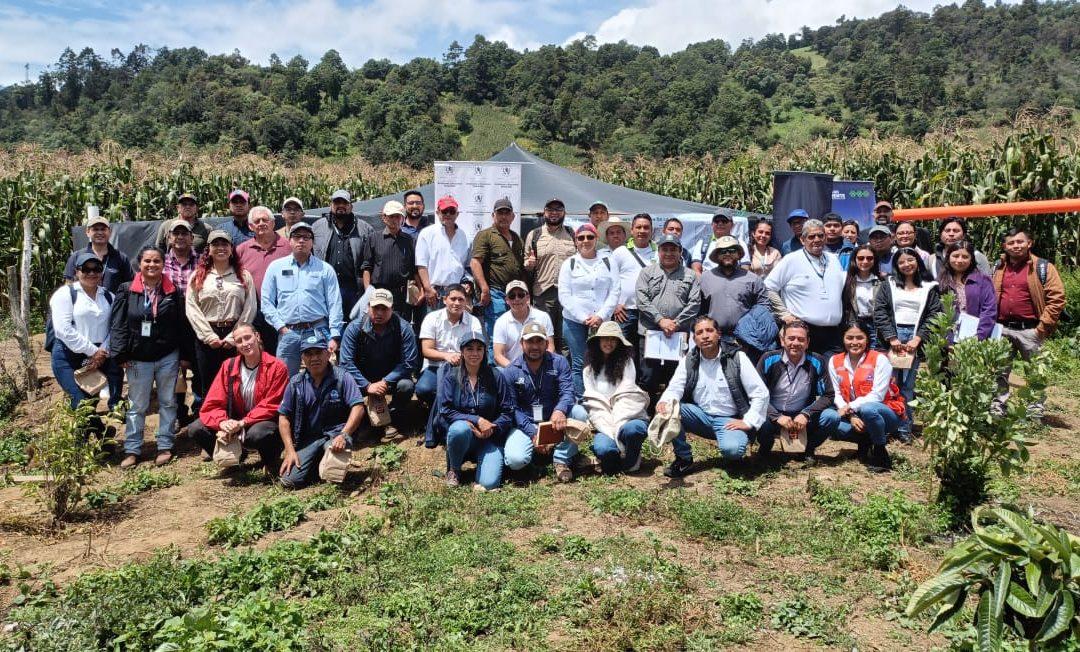
- Tackling Pollution at the Source: Understanding that waste is the true enemy, in 2024 we trained 65 environmental technicians and municipal leaders in Integrated Solid Waste Management. Without managing waste, no river can remain healthy.
- Collaborative Governance: We are active participants in 7 River Basin Technical Committees. According to the ICC (Private Institute for Climate Change Research), we maintained a compliance rate of over 87% regarding authorized water flows during the 2024-2025 dry season.
A Call for Shared Responsibility
The heartbeat of the land is a reminder of our interdependence. Corporations are not isolated entities; we are part of a living, breathing fabric.
Today, my invitation is not just to celebrate an international day, but to recognize that sustainability is the only viable long-term business strategy. Protecting our water and our forests is, quite simply, ensuring that the heart of our region continues to beat for generations to come.
Are we truly listening to what the earth is telling us?